
Acute Attack Mode
One-tap "I'm having a spin." Captures onset time, position at onset and severity in seconds. The rest of the form waits until you feel up to it. No long surveys mid-episode.
Sixteen tools built around a single goal: turning your vertigo chaos into clarity. Daily risk estimates, sodium and tinnitus tracking, pressure-drop alerts, validated clinical scales, statistical correlations and wearable sync, covering all six vestibular subtypes in one app.
Built for vestibular conditions, not retrofitted from a generic symptom tracker.
One-tap "I'm having a spin." Captures onset time, position at onset and severity in seconds. The rest of the form waits until you feel up to it. No long surveys mid-episode.
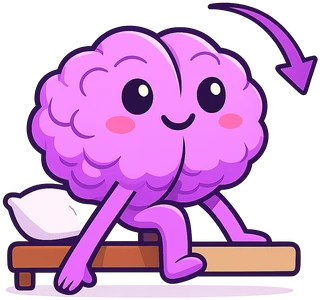
Tap the position you were in when the spin started: supine, sit-to-stand, rolling, head-turn, looking up. Critical for distinguishing BPPV from non-positional vertigo and for tracking BPPV laterality and canal involvement over time.
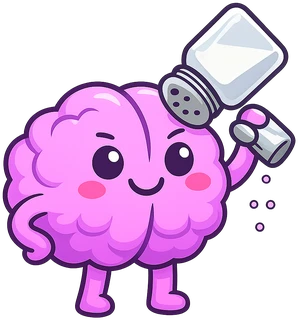
First-class daily sodium tracking. Set a personal ceiling, log foods quickly via search or barcode, and watch the correlation between intake and spin frequency build in your own data. The single most-asked-for feature from Meniere's patients.
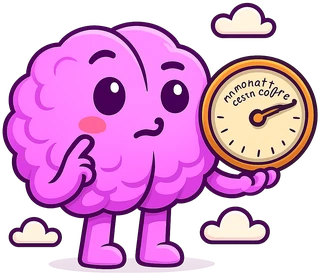
Barometric pressure tracked automatically. Get a push notification when a sharp drop is forecast in the next 24 hours, so you can plan a quieter day, premedicate, or just brace.

30-second daily check-in on ringing pitch, volume and laterality. For Meniere's patients, shifts in tinnitus are a prodrome biomarker. The correlation engine looks for ringing changes that precede spin onset.
Snap a photo or upload a PDF after each ENT visit. Stored privately, viewable side-by-side over time. Image and PDF only in v1; structured frequency-by-frequency tracking on the roadmap.
Validated tools used by ENT and vestibular physiotherapy, built in.
The Dizziness Handicap Inventory, Vertigo Symptom Scale (Short Form) and Hearing Handicap Inventory, scored automatically and tracked over time. Bring your trend graph to your specialist appointment.

Vestibular Rehabilitation Therapy exercises with timers and routine builder. The frame and routine logger ship at launch; the full exercise library is rolled out in v1.1. Track adherence and see if sessions reduce your spin frequency.
Invite a partner or family member to log falls and observed episodes. For chronic vestibular conditions where memory of a spin is unreliable (or absent), a second observer adds critical context.

Select one or more of BPPV, Vestibular Migraine, Meniere's, Vestibular Neuritis, PPPD or MdDS. The app routes you to the right tracking surface, the right scales and the right risk weights for your subtypes.
The vestibular system is hostage to sleep, recovery, hormones and weather. VertigoMe ingests all of it.

Garmin, Apple Watch, Oura, Polar and Health Connect. Sleep duration, stages, HRV and recovery feed your risk score. Sleep deprivation is a leading trigger for vestibular migraine.
A real-time vestibular risk score that updates throughout the day based on sleep, sodium, pressure, recovery, tinnitus state and your personal triggers. A rolling 7-day outlook helps you plan ahead and adjust your routine.

Daily personalised insights generated from your data: what is raising your risk today, which medicines are working, and what to watch for tomorrow. Learns you like a second ENT or neurologist.
Statistical analysis across all your metrics and spins. Personal triggers ranked by significance, not guesswork. For Meniere's it highlights sodium-spin links; for vestibular migraine it weighs sleep and pressure. The engine gets sharper every week as more data flows in.

Pressure drops, poor sleep, high-sodium days and HRV crashes are detected in the background. Auto-triggers fire when thresholds are crossed; you just confirm. No manual diary required.
A moderated discussion forum and a feed of evidence-based articles, automatically matched to your own triggers. Subscribe to AI companion curators that surface the articles most relevant to you. No pseudoscience, no miracle cures.
Start listening today. Available on iOS and Android.